

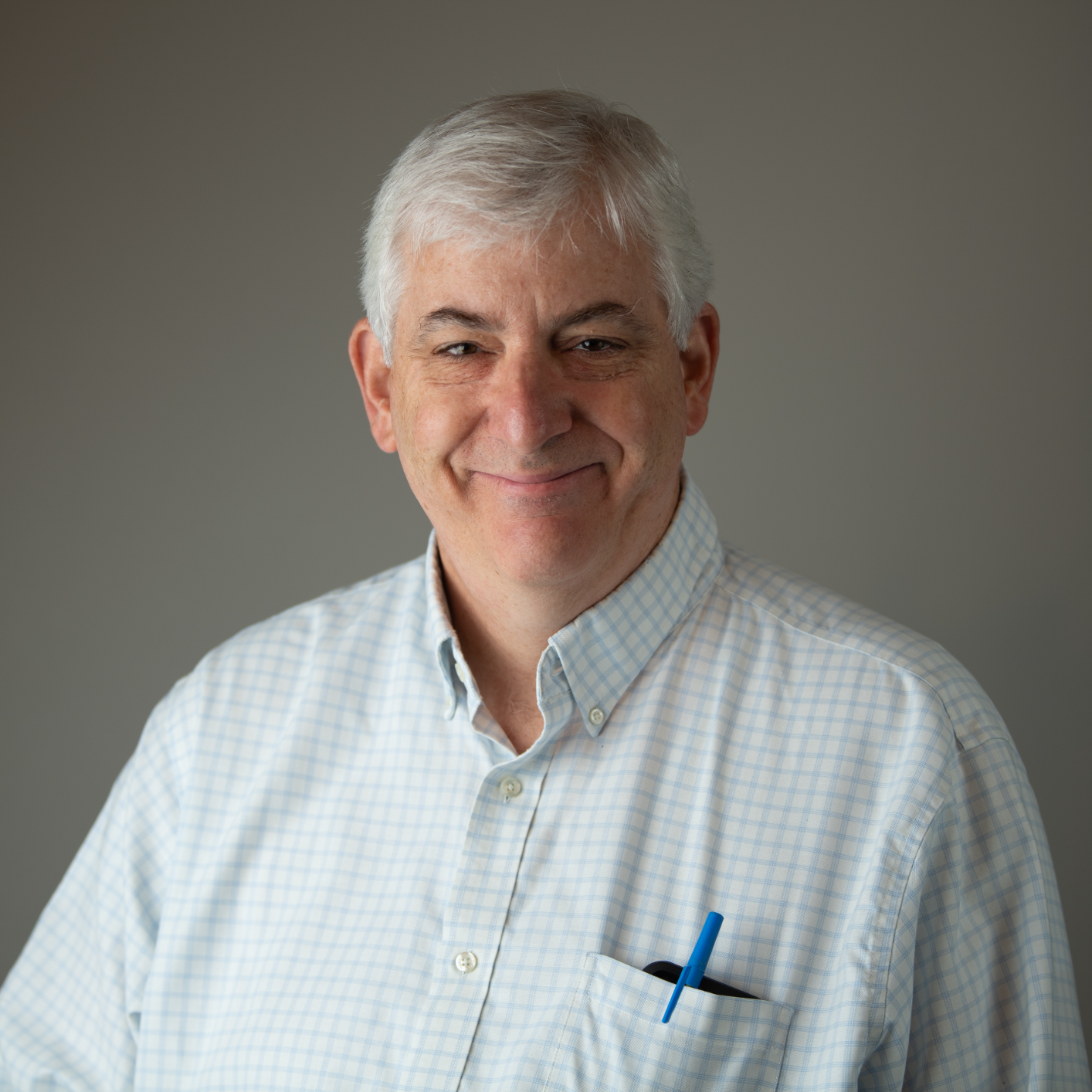
For 28 years, Dr. John Grout has shaped Berry College through his vision,
leadership and unwavering belief in students. As he retires, the Berry
community is celebrating not only a remarkable career, but a legacy that
continues to spark creativity, innovation and possibility.
A scholar widely recognized for his work in mistake-proofing, Dr. Grout
served many roles at Berry, including professor and dean of the Campbell School
of Business. One of his most enduring contributions grew from a bold idea: that
students would benefit from a program combining technology, design thinking,
computer science and entrepreneurship in ways higher education had not yet
attempted.
That idea became Berry's Creative Technologies major.
Launched during Dr. Grout's tenure as dean, Creative Technologies was the
first undergraduate degree of its kind in the nation. From the beginning, the
program emphasized experimentation, collaboration and applied learning.
Students were encouraged not only to build solutions, but to learn through
testing, iteration and failure.
The physical heart of the program is HackBerry Lab, the makerspace where
ideas take shape. More than a lab, it is a creative hub where students explore
emerging technologies, prototype ideas and engage in hands-on problem-solving.
The space reflects Dr. Grout's belief that innovation flourishes when curiosity
is supported and failure is treated as a necessary part of the process.
That philosophy resonated deeply with students.
"Creative Technologies introduced me to many different technologies,
techniques and tools while really solidifying the perspective to celebrate even
in failures," said Travis Helton (16C). "In this fast-paced, results-driven
world we live in, it's good to slow down, take risks and accept failure. I
learned that failure and iteration are necessary parts of a successful product
and story."
Helton credits Dr. Grout's voice as a constant presence throughout the
program. "As I have heard Dr. Grout say many times, 'Fail early and fail often'
and 'Fail forward.'"
Those phrases reflect another hallmark of Dr. Grout's influence: a simple
but powerful question he returned to often.
"Yes, and?"
It was not just a response. It was a mindset. Dr. Grout encouraged students and colleagues to push ideas further, to look beyond initial success or failure and to ask what was possible next. That outlook shaped nearly 200 Creative Technologies graduates since the program's founding in 2014, as well as countless faculty, alumni and staff who experienced his mentorship.
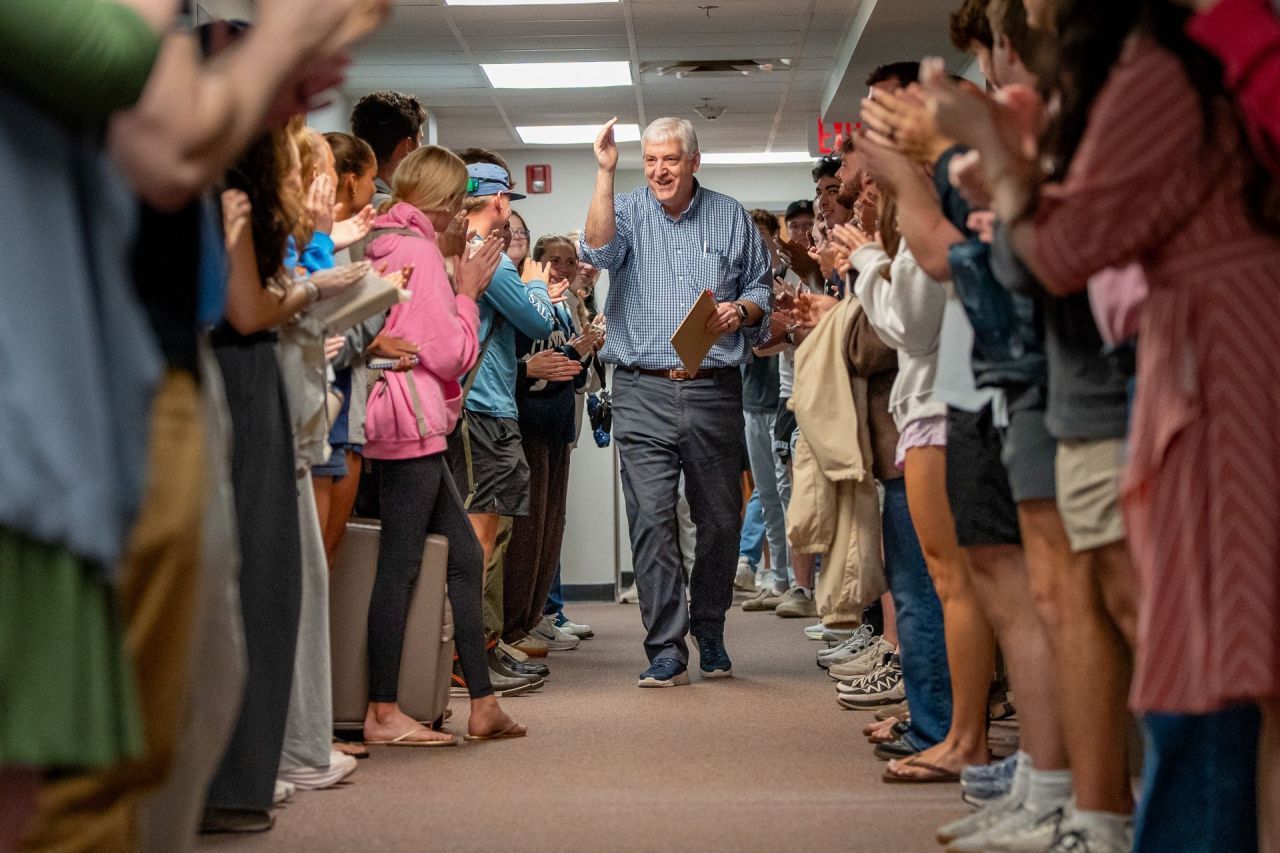
This spring, the Berry community came together to celebrate that legacy
during Dr. Grout's Last Lecture and retirement reception. Stories, laughter and
gratitude filled Green Hall Lobby, culminating in a moment that captured his
impact. As he exited Green 306 for the final time, Dr. Grout was met with a
tunnel of clapping students, alumni, faculty and staff, a reflection of the
community he built and the lives he touched across nearly three decades.
To honor that legacy in a lasting way, the John Grout Creative
Technologies Fund has been established in recognition of his retirement.
The fund provides flexible support for the Creative Technologies program,
allowing it to respond to evolving needs and opportunities. This includes
supporting new or early-stage initiatives and strengthening hands-on, applied
learning across the program. The flexibility of the fund ensures that as
technologies change and student ideas grow, the program can adapt and remain
innovative.
At its core, the fund reflects what Dr. Grout valued most: learning
experiences that empower students to create, experiment and move forward even
when outcomes are uncertain. By supporting tools, projects and initiatives
rooted in exploration and iteration, the fund helps extend his influence to
future generations of Creative Technologies students.
Dr. Grout's retirement marks the close of an extraordinary chapter at
Berry College, but his vision lives on through the program he helped build, the
students he inspired and the mindset he championed.
Yes, and?